Hurricane Roof Preparation: How Fernandina Beach Homeowners Can Protect Their Roofs
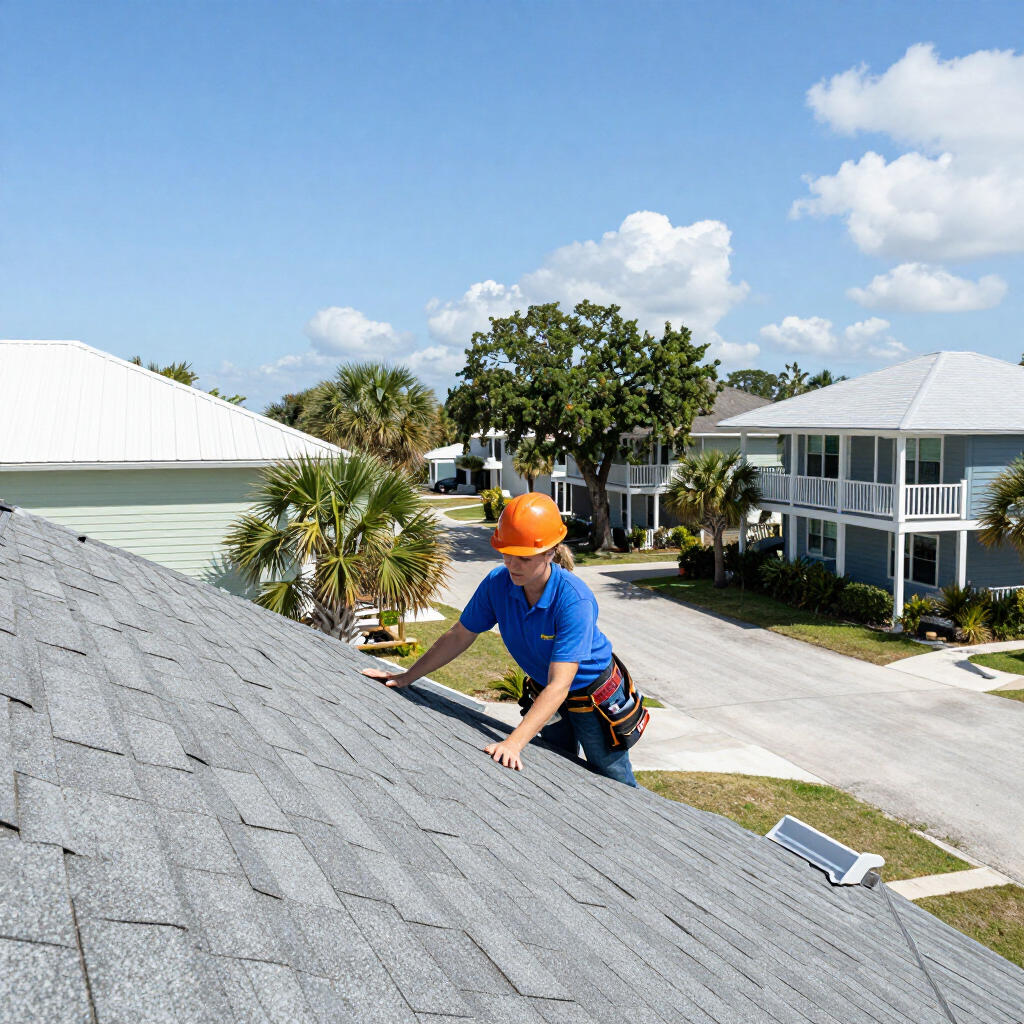
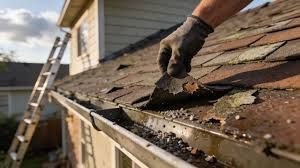
Hurricane roof preparation in Fernandina Beach should start well before a storm appears in the forecast. Homeowners can reduce preventable damage by having the roof inspected, repairing damaged materials, clearing drainage systems, trimming hazardous tree branches, and addressing existing leaks before severe weather arrives.
For homeowners in Fernandina Beach and surrounding Northeast Florida communities, preparation is especially important because roofs may be exposed to high winds, wind-driven rain, flying debris, prolonged moisture, and coastal conditions.
Taking action early won't make a roof immune to hurricane damage, but it can help identify vulnerabilities before a storm puts additional stress on your roofing system.
If you are concerned about your roof's condition before hurricane season, Cover Roofing Company can inspect your roof and recommend appropriate repairs or maintenance.
Why Is Hurricane Roof Preparation Important in Fernandina Beach?
Your roof is one of your home's primary barriers against severe weather. When roofing materials are already loose, damaged, deteriorated, or leaking, strong winds and heavy rain can make an existing problem worse.
Common vulnerabilities include:
- Missing or damaged shingles
- Loose roofing materials
- Deteriorated flashing
- Existing leaks
- Damaged roof penetrations
- Clogged gutters
- Weak or damaged roof decking
- Overhanging tree branches
Fernandina Beach homeowners also need to consider everyday coastal exposure. Sun, humidity, rain, wind, and salt-laden air can contribute to deterioration over time.
That makes hurricane preparation more effective when it is part of a year-round roof maintenance strategy rather than a task homeowners only consider when a storm is approaching.
1. Schedule a Professional Roof Inspection Before Hurricane Season
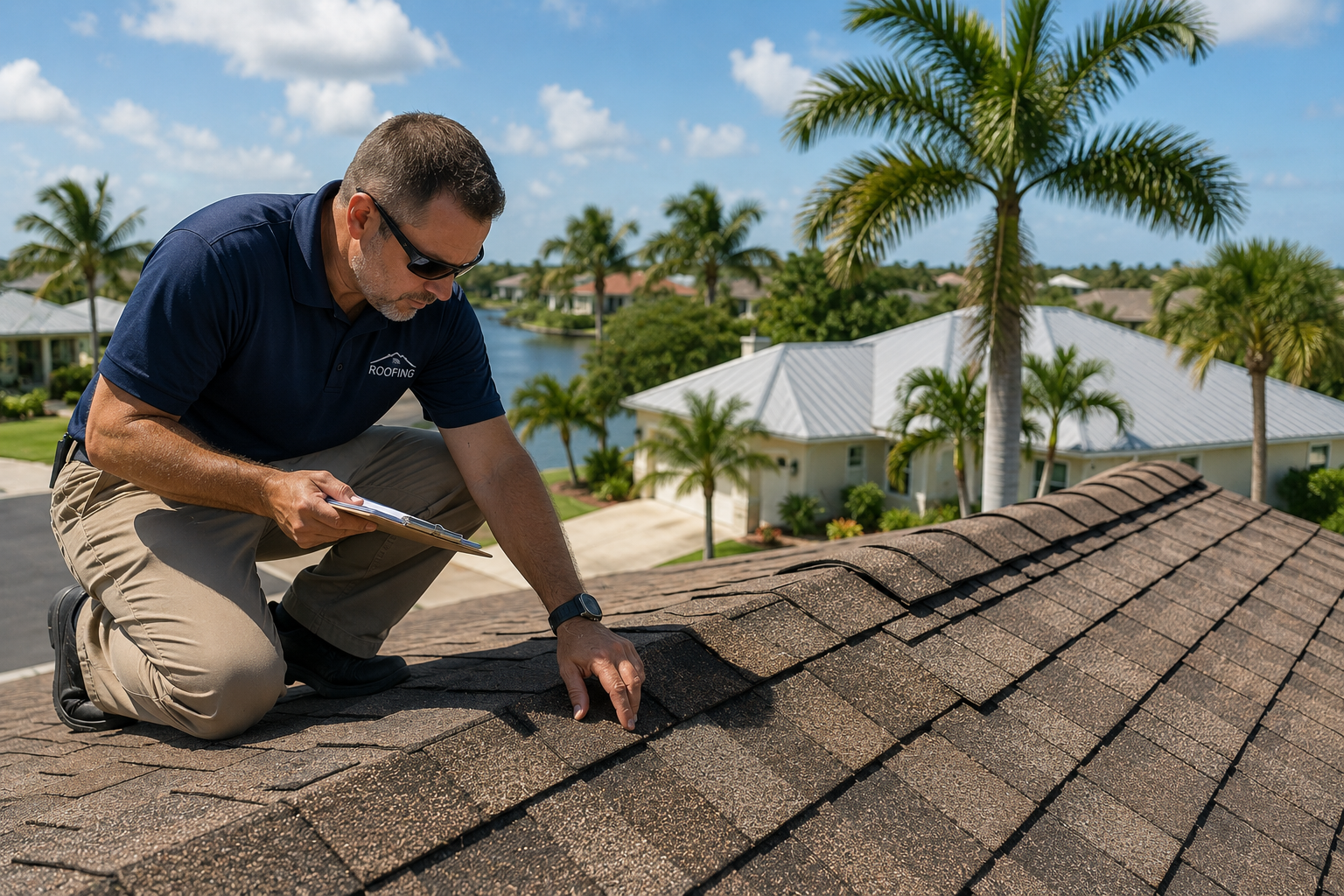
One of the most practical ways to prepare is to have your roof professionally inspected before severe weather arrives.
A roofing contractor can evaluate areas such as:
- Shingles and other roof coverings
- Flashing
- Roof valleys
- Ridge areas
- Vents and penetrations
- Roof edges
- Sealants
- Visible roof decking concerns
- Signs of moisture intrusion
- Previous storm damage
The goal is to find weaknesses while there is still time to address them.
For example, a loose or damaged shingle might not currently cause an obvious interior leak. During severe wind and rain, however, that compromised area may become more vulnerable.
Homeowners searching for a roof inspection near me in Fernandina Beach should consider scheduling service before hurricane season becomes active and roofing companies become busier.
2. Repair Loose, Missing, or Damaged Roofing Materials
Don't knowingly head into hurricane season with an existing roof problem.
Depending on your roofing system, warning signs may include:
- Missing shingles
- Lifted shingles
- Cracked roofing materials
- Loose components
- Exposed fasteners
- Damaged ridge materials
- Deteriorated sealants
- Visible areas of previous storm damage
Not every problem requires an entirely new roof.
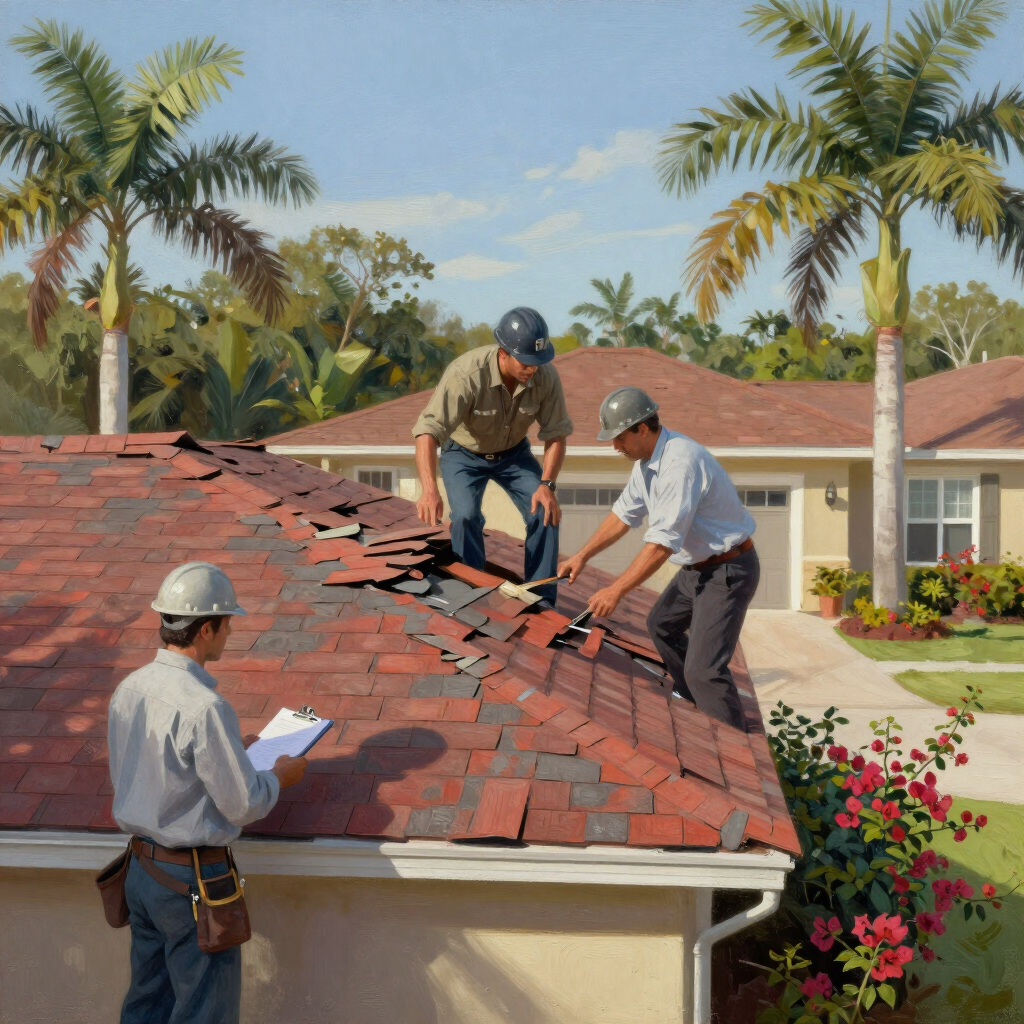
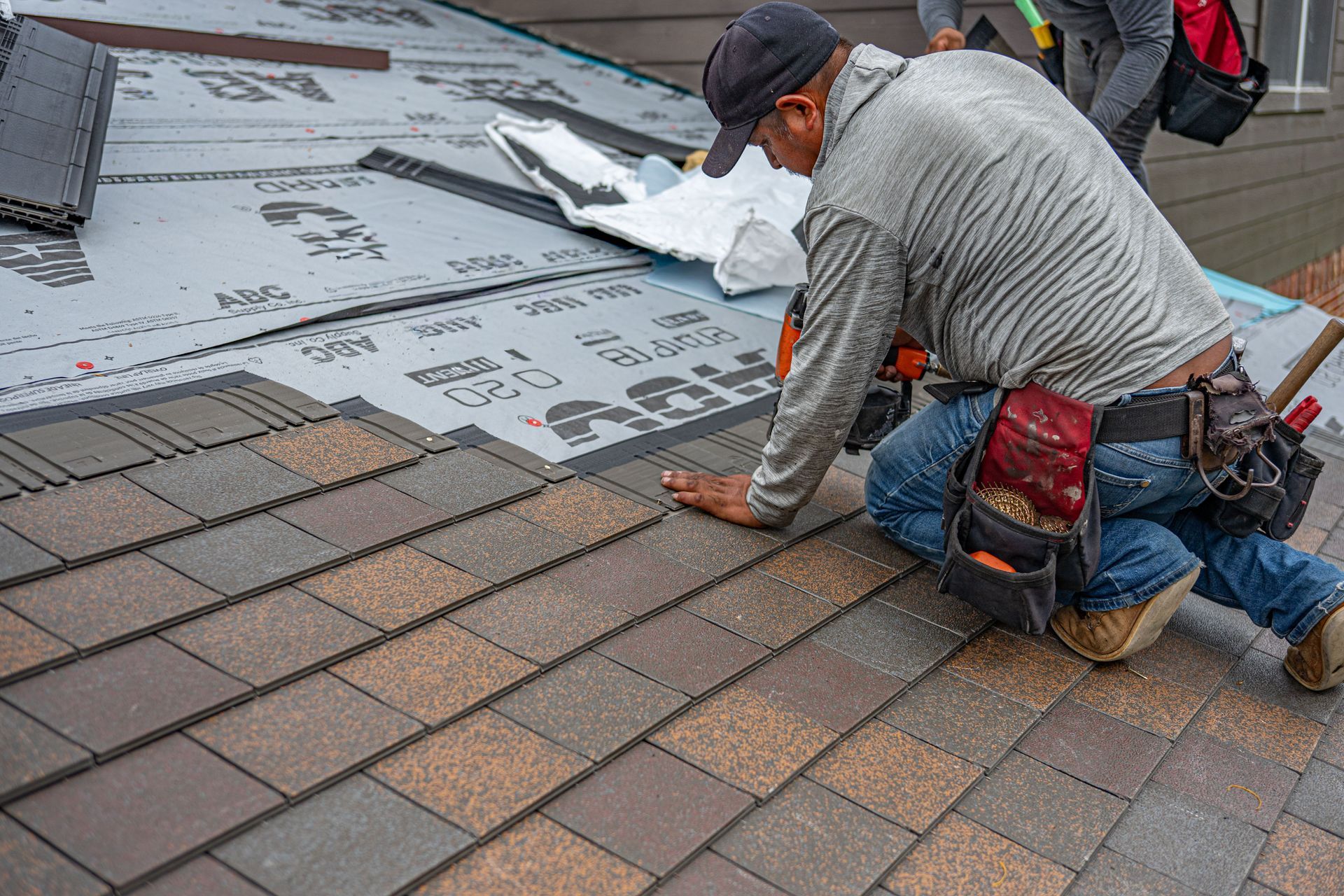
If damage is isolated and the remaining roofing system is in suitable condition, professional roof repair may be enough. If deterioration is widespread or the roofing system has reached the end of its useful service life, replacement may need to be considered.
A professional inspection is the best way to determine the appropriate solution.
3. Check Flashing and Roof Penetrations
Roof penetrations require special attention because they create transitions in the roofing system.
These areas may include:
- Plumbing vents
- Exhaust vents
- Skylights
- Chimneys
- HVAC-related penetrations
- Other rooftop equipment
Flashing helps direct water away from joints and vulnerable areas. When flashing becomes loose, bent, damaged, corroded, or poorly sealed, water may find a path into the roofing system.
Wind-driven rain can make these vulnerabilities particularly important during hurricanes and tropical storms.
Have questionable flashing inspected and repaired before severe weather arrives rather than waiting until an active leak develops.
4. Keep Gutters and Downspouts Clear
Your roof and drainage system work together.
Gutters collect water from the roof and direct it toward downspouts. When gutters become clogged with leaves, twigs, pine needles, and other debris, drainage can be restricted.
Before hurricane season:
- Remove debris from gutters.
- Check downspouts for blockages.
- Look for loose gutter sections.
- Check for damaged connections.
- Make sure drainage directs water appropriately away from the structure.
Heavy Florida rainfall can place considerable demand on a home's drainage system.
If accessing your gutters requires working from an unsafe height, hire an appropriate professional rather than taking unnecessary risks.
5. Trim Overhanging and Hazardous Tree Branches
Trees surrounding your home can become a major source of roof damage during severe weather.
High winds may break branches or send existing debris onto the roof.
Before hurricane season, look for:
- Dead branches
- Cracked limbs
- Diseased trees
- Branches hanging directly over your roof
- Trees that appear unstable
A qualified tree professional can evaluate hazardous trees and perform necessary trimming.
Large limbs hanging above a home should not be treated as a DIY project. Removing them improperly can damage the roof or cause serious injury.
6. Address Existing Roof Leaks
An existing roof leak should be investigated before hurricane season.
Signs of potential water intrusion include:
- Brown or yellow ceiling stains
- Damp drywall
- Peeling paint
- Musty odors
- Moisture in the attic
- Wet insulation
- Water around roof penetrations
Keep in mind that the location of an interior water stain doesn't necessarily identify the exact location where water entered the roof.
Water can travel along framing and other building materials before becoming visible.
A professional roof inspection can help identify the source and determine the appropriate repair.
7. Inspect Your Attic for Warning Signs
The attic can reveal roofing problems that aren't obvious from outside.
When the area is safely accessible, look for:
- Moisture
- Water stains
- Wet insulation
- Signs of previous leaks
- Damaged roof decking
- Unexpected daylight coming through the roofing structure
Your attic's ventilation is also important in Florida's hot and humid environment.
If you discover substantial moisture, structural concerns, mold-like growth, or electrical hazards, avoid disturbing the affected area and contact an appropriate professional.
8. Document Your Roof Before a Storm
Before hurricane season, consider documenting your property's current condition.
From safe locations, take dated photos or videos of:
- Visible roof areas
- Gutters
- Siding
- Windows
- Exterior structures
- Existing property conditions
You should also keep copies of relevant records, including:
- Roofing invoices
- Inspection reports
- Maintenance records
- Product information
- Warranties
- Insurance documents
If a storm later causes damage, having records from before the event can help establish what changed.
Insurance policies and claim requirements vary, so homeowners should contact their insurance provider directly for information about their individual coverage and documentation requirements.
9. Don't Wait Until a Hurricane Is Approaching
Waiting until a hurricane warning is issued is not an ideal roof maintenance strategy.
Contractors can become extremely busy before major storms, and some repairs may require materials, scheduling, or more extensive work than can be completed immediately.
Instead, make hurricane preparation part of your normal home maintenance schedule.
An early inspection gives you time to:
- Identify damage.
- Review repair options.
- Address leaks.
- Complete maintenance.
- Consider replacement when necessary.
- Prepare without last-minute pressure.
If your roof hasn't been inspected recently, contact Cover Roofing Company before severe weather arrives.
What Should You Do When a Hurricane Is Approaching?
Once dangerous weather is approaching, personal safety becomes more important than roof maintenance.
Do not climb onto your roof to attempt last-minute repairs.
Instead:
- Bring loose outdoor objects inside when safe.
- Secure your property according to local guidance.
- Keep important documents accessible.
- Charge phones and emergency equipment.
- Follow evacuation or emergency instructions from local authorities.
- Keep your roofing contractor's contact information available.
For official hurricane forecasts, advisories, and preparedness information, homeowners can use the National Hurricane Center.
What Should You Check After a Hurricane?
After the storm has passed and authorities indicate conditions are safe, inspect your property from the ground.
Look for:
- Missing roofing materials
- Fallen branches
- Roof debris
- Visible punctures
- Displaced materials
- Damaged flashing
- Damaged gutters
- Interior water stains
- Active leaks
- Changes in the roofline
Do not climb onto a potentially damaged roof.
Wet roofing materials can be slippery, and structural damage may not be obvious. Fallen power lines and other electrical hazards can also make post-storm conditions dangerous.
If you see or suspect damage, schedule a professional roof inspection.
Roof Repair or Roof Replacement After Hurricane Damage?
Finding storm damage doesn't automatically mean you need a complete roof replacement.
The appropriate solution depends on factors such as:
- Extent of damage
- Location of damage
- Roofing material
- Existing roof condition
- Age of the roofing system
- Condition of the underlying structure
Roof Repair
Repair may be appropriate when storm damage is limited to a particular area and the remaining roofing system is still in suitable condition.
Roof Replacement
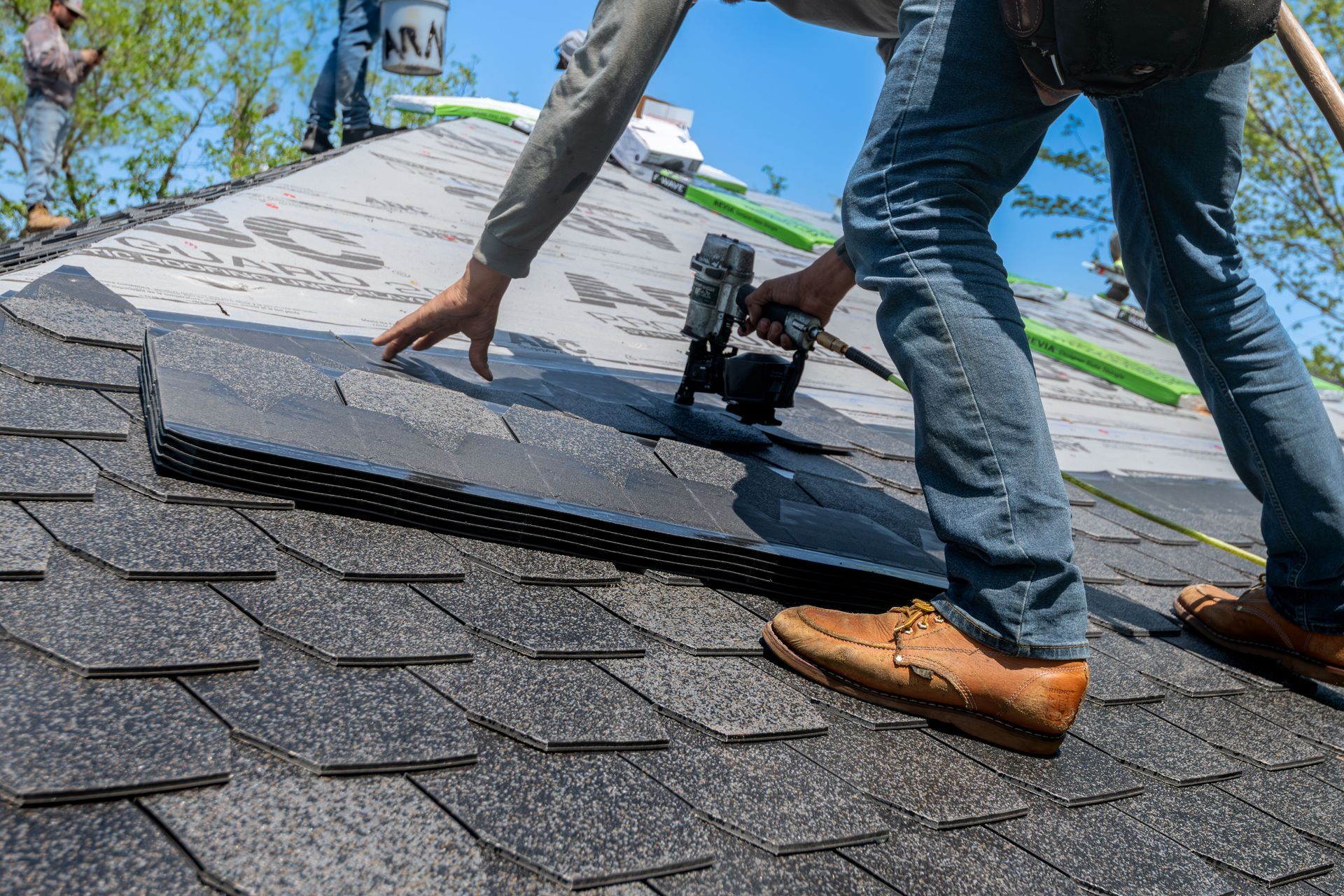
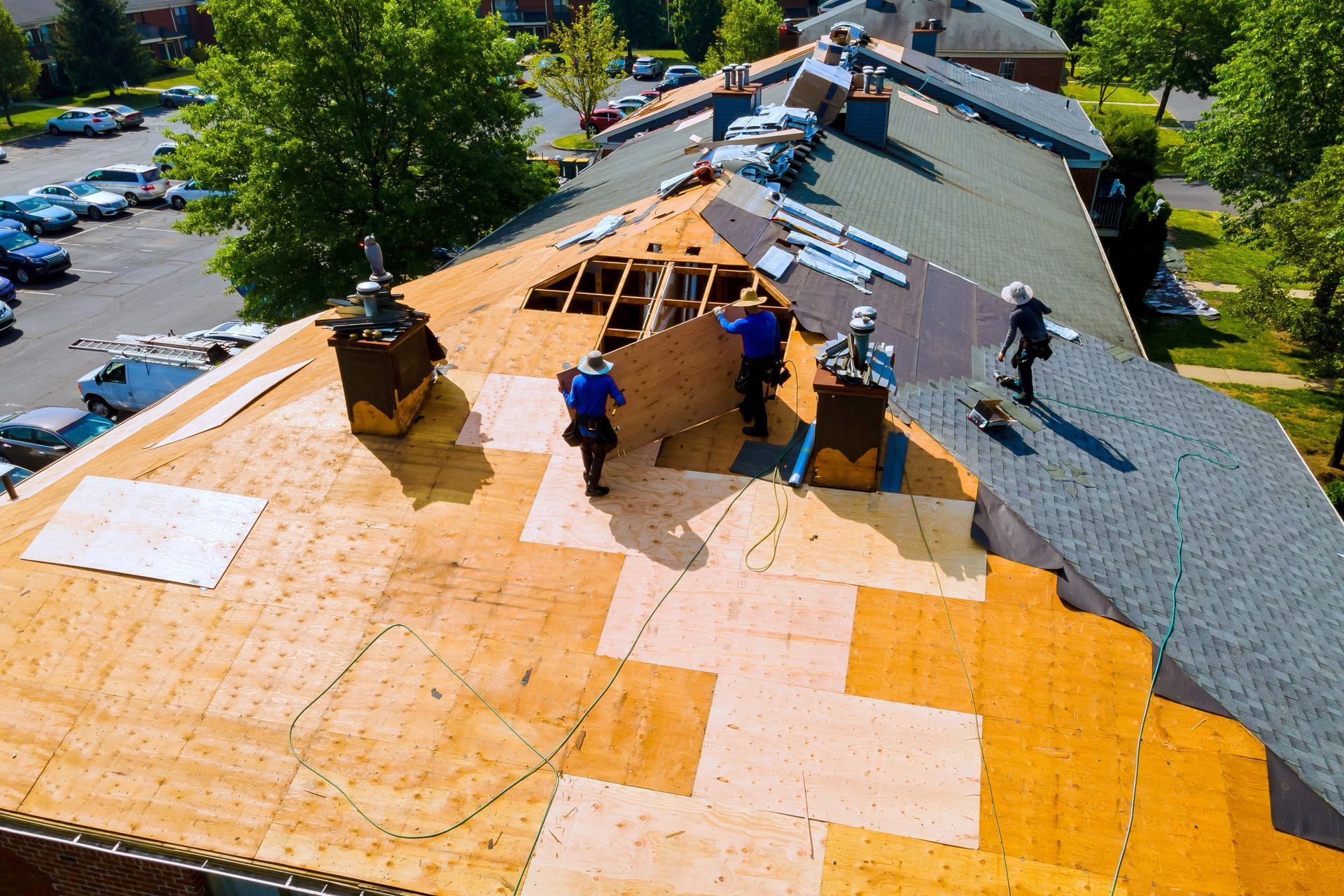
Replacement may need to be considered when damage is extensive, deterioration is widespread, or the existing roof can no longer provide appropriate protection.
Cover Roofing Company provides both roof repair and roof replacement services.
Make Roof Maintenance a Year-Round Priority
Hurricane preparation shouldn't end when hurricane season does.
Routine roof maintenance can help homeowners identify developing issues before they become larger problems.
A practical maintenance plan may include:
- Periodic roof inspections
- Inspections after significant storms when appropriate
- Prompt repairs
- Gutter maintenance
- Tree trimming
- Flashing checks
- Leak monitoring
- Documentation of completed roofing work
For a coastal community like Fernandina Beach, ongoing attention is especially valuable because roofs face exposure to sun, moisture, wind, rain, and salt-laden air throughout the year.
Cover Roofing Company's roof maintenance and inspection services can help homeowners understand their roof's condition and determine when repairs, restoration, or replacement should be considered.
Frequently Asked Questions About Hurricane Roof Preparation
When should I prepare my roof for hurricane season?
Start before severe weather is forecast. Early preparation provides time to inspect the roofing system, complete repairs, clear drainage systems, and address other vulnerabilities without the pressure of an approaching storm.
Should I have my roof inspected before hurricane season?
A professional inspection can be particularly useful if your roof hasn't been evaluated recently, has experienced previous storm exposure, is showing signs of deterioration, or has an existing leak.
Should I inspect my roof myself?
You can look for visible problems from the ground, but climbing onto a roof can be dangerous. A professional roofer can inspect areas that aren't easily or safely visible to homeowners.
What are common signs of hurricane roof damage?
Missing or displaced roofing materials, damaged flashing, debris impact, gutter damage, leaks, ceiling stains, and changes to the roofline can indicate a need for professional evaluation.
What should I do if my roof leaks during a hurricane?
Stay off the roof. If conditions inside your home are safe, move belongings away from the leak and use containers to collect dripping water. Stay away from areas where water is contacting electrical systems or where ceilings appear unstable. Contact a roofing professional after conditions are safe.
Prepare Your Fernandina Beach Roof Before the Next Storm
A hurricane can put enormous stress on a roofing system, but homeowners don't have to wait until severe weather is approaching to discover existing problems.
An inspection can identify damaged materials, leaks, flashing problems, drainage concerns, and other issues while there is still time to address them.
Cover Roofing Company provides roof repair, roof replacement, new roof installation, roof restoration, and roof maintenance and inspection services for homeowners in Fernandina Beach and surrounding Northeast Florida communities.
Whether you need a pre-hurricane inspection, preventative roof maintenance, or repairs to an existing problem, Cover Roofing Company can evaluate your roof and discuss the appropriate next steps.
Call: (904) 206-0529
Email: Blake@coverroofingco.com
Schedule your roof inspection or request an estimate before the next major storm puts existing roof problems to the test.
Serving Fernandina Beach, Amelia Island, and surrounding Northeast Florida communities.
Recent Posts