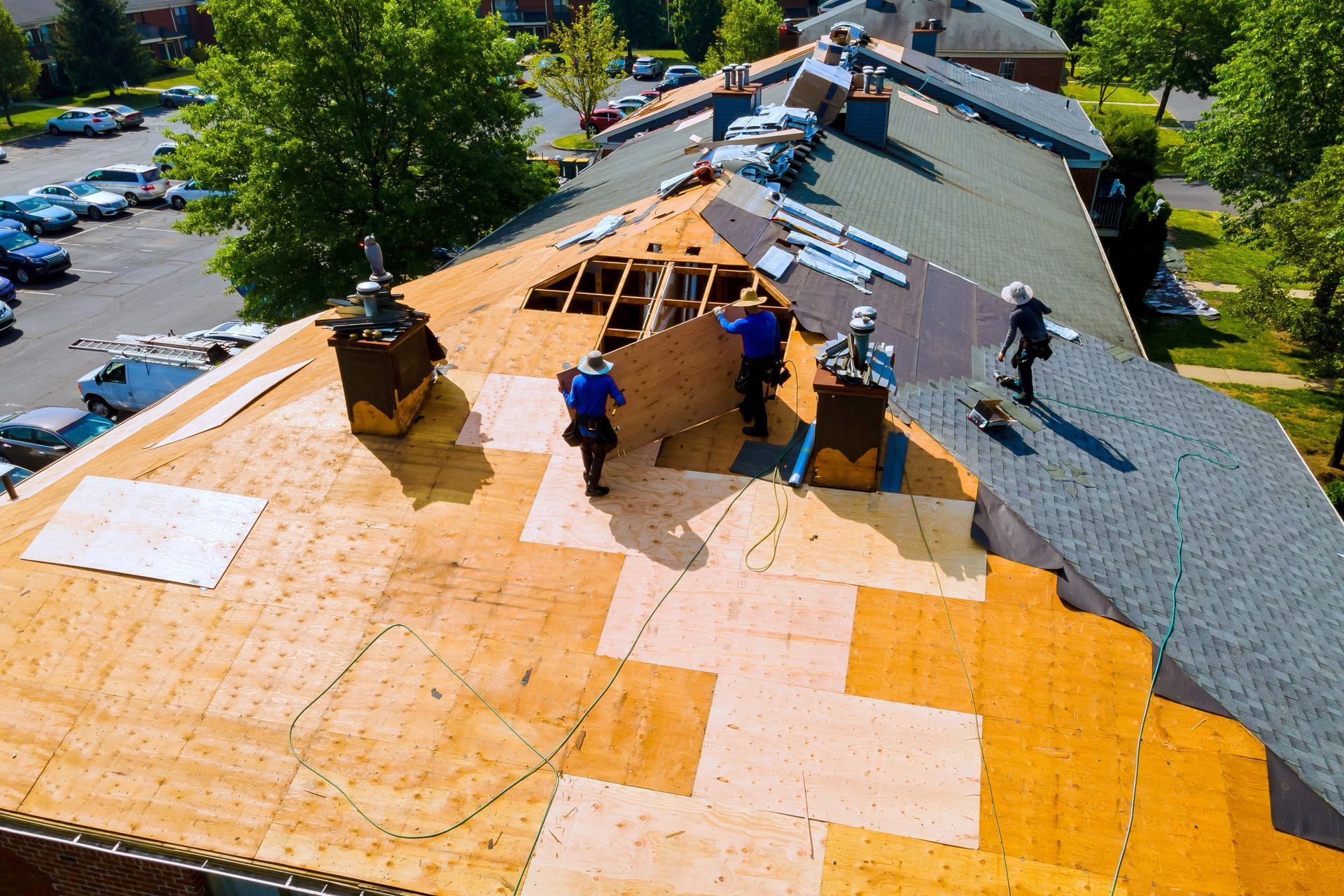
After a storm hits Fernandina Beach, your roof may have hidden damage—even if everything looks fine from the ground. High winds, heavy rain, and flying debris can weaken your roof’s structure, leading to leaks and costly repairs if left unchecked. The safest move is to schedule a professional inspection immediately after severe weather.
In this guide, we’ll walk you through the warning signs and what to do next.
Why Storm Damage Is a Serious Risk in Florida
Florida storms are uniquely harsh on roofing systems due to:
- Strong wind gusts that lift shingles
- Heavy rainfall that exposes weak spots
- Debris impact from trees or objects
- Rapid pressure changes during storms
Even minor storms can cause damage that worsens over time.
Top Signs You Need a Roof Inspection
1. Missing or Lifted Shingles
After a storm, check for shingles that are:
- Completely missing
- Curling or lifting
- Out of alignment
These expose your roof to water intrusion.
2. Water Leaks or Ceiling Stains
Water spots inside your home are a clear sign your roof has been compromised.
Quick answer: If you see water stains, schedule an inspection immediately.
3. Debris on the Roof
Branches or debris can damage shingles and puncture roofing materials.
Even small impacts can create long-term problems.
4. Granules in Gutters or Downspouts
Storms often loosen shingle granules, which protect against UV damage.
If you see buildup in your gutters, your roof may be deteriorating faster than expected.
5. Sagging or Soft Spots
A sagging roofline or soft areas when walking on the roof indicate structural damage.
This requires urgent professional attention.
6. Damaged Flashing or Vents
Flashing around chimneys, skylights, and vents can loosen during storms.
This creates entry points for water.
What to Do After a Storm
Step 1: Perform a Visual Inspection
From the ground, look for:
- Missing shingles
- Debris
- Visible damage
Avoid climbing onto the roof yourself.
Step 2: Check Inside Your Home
Look for:
- Water stains
- Damp insulation
- Mold or musty smells
Step 3: Call a Professional Roofing Company
A licensed contractor can:
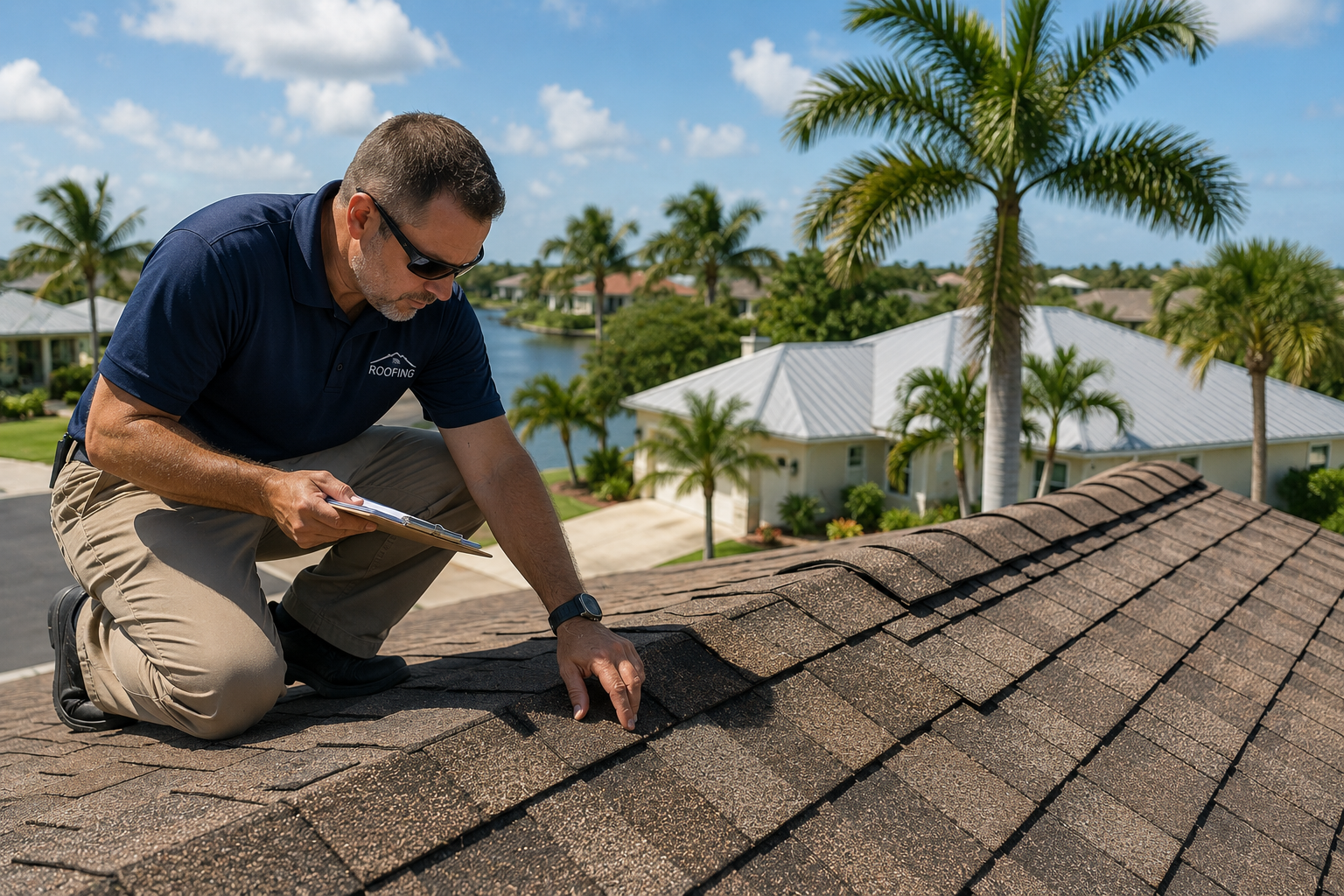
- Identify hidden damage
- Provide documentation for insurance claims
- Recommend repairs or replacement
Insurance and Storm Damage
Storm-related roof damage is often covered by homeowners insurance.
Be sure to:
- Document damage with photos
- Schedule an inspection quickly
- File your claim promptly
Why Immediate Inspection Matters
Delaying inspection can lead to:
- Worsening leaks
- Mold growth
- Structural damage
- Higher repair costs
Short answer: The sooner you act, the more you save.
Best Practices for Storm Preparedness
- Schedule annual roof inspections
- Trim nearby trees
- Secure loose outdoor items
- Upgrade to storm-resistant materials
FAQs
How soon should I inspect my roof after a storm?
Ideally within 24–48 hours to catch damage early.
Can storm damage be invisible?
Yes, many issues aren’t visible without a professional inspection.
Will insurance pay for a roof inspection?
Inspections are sometimes covered if tied to a claim.
Should I tarp my roof after storm damage?
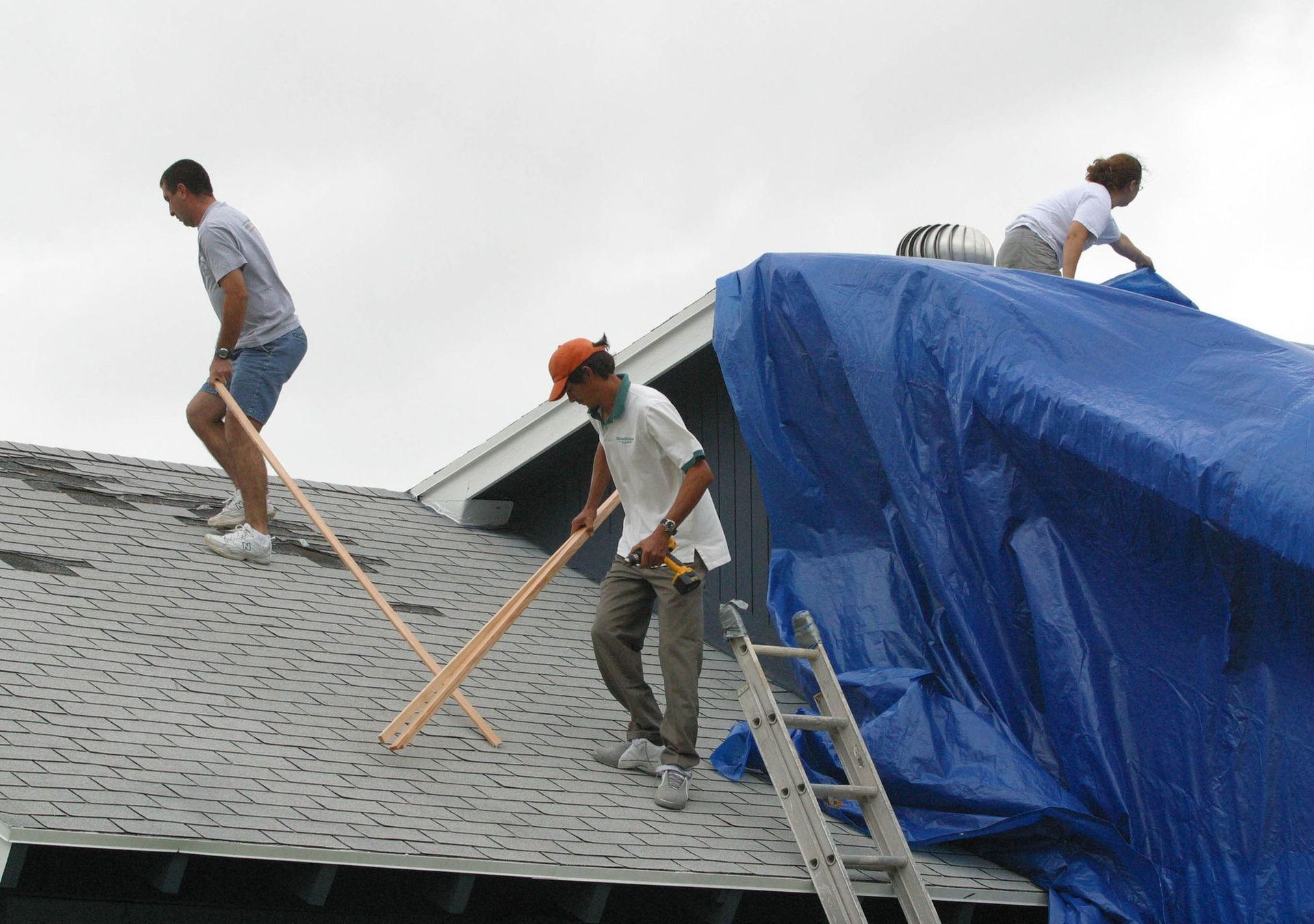
Yes, temporary tarping can prevent further water intrusion.
Call to Action: Schedule Your Post-Storm Roof Inspection Today
Don’t take chances after a storm—hidden damage can cost thousands if ignored.
Cover Roofing Company provides fast, reliable roof inspections for homeowners in Fernandina Beach.
- Free inspections
- Storm damage expertise
- Insurance claim assistance
Call (904) 206-0529 or email Blake@coverroofingco.com today to schedule your free inspection.
Serving Fernandina Beach and surrounding areas.