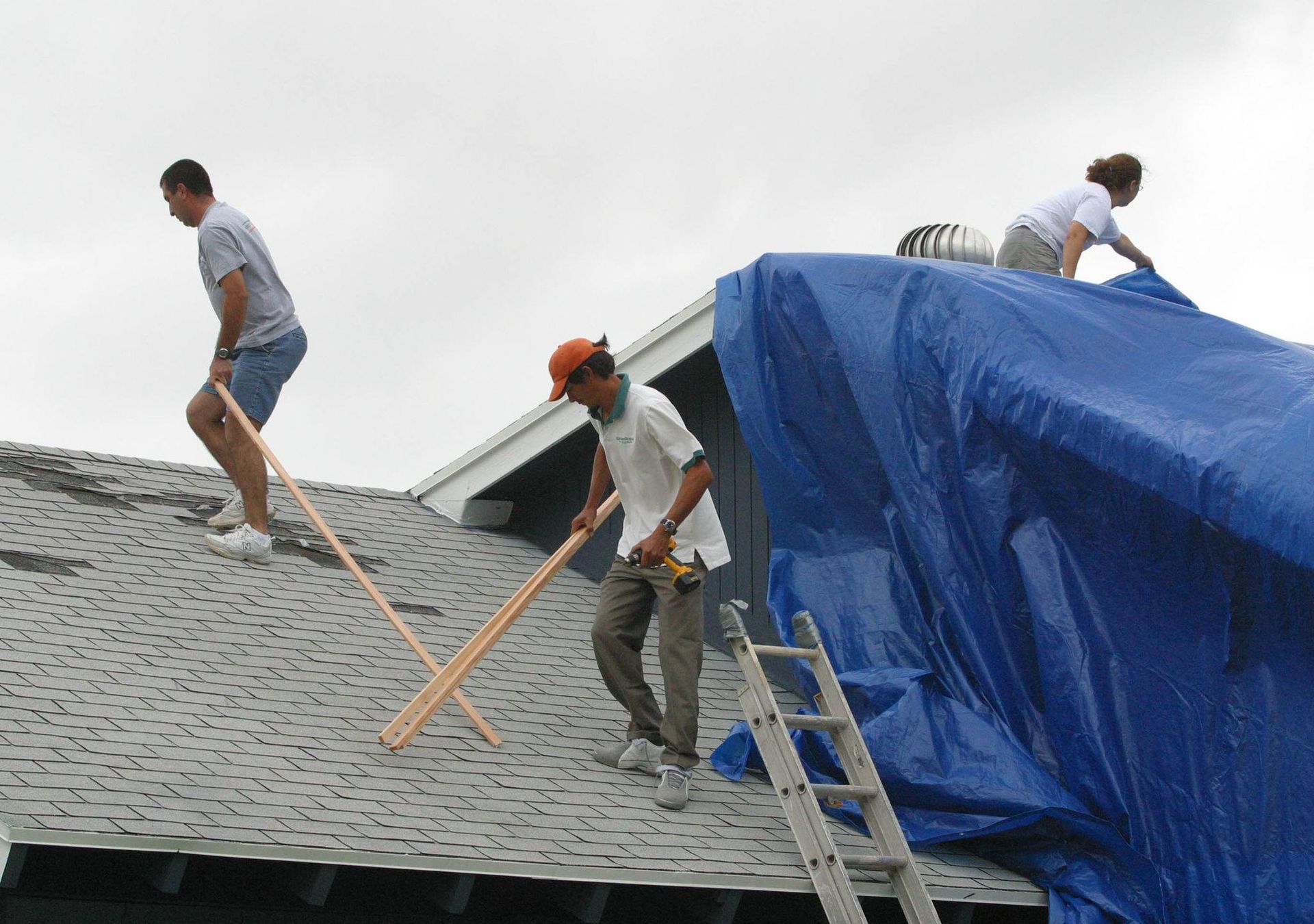
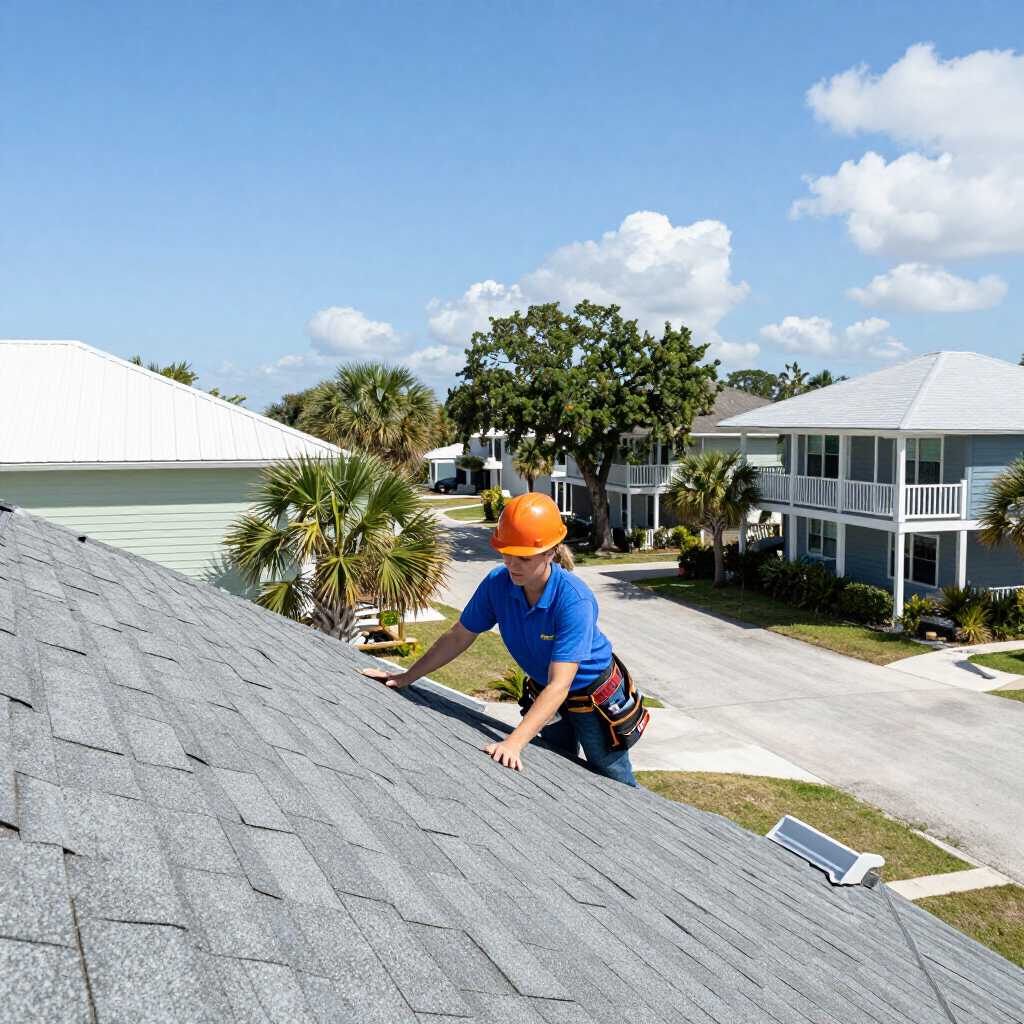
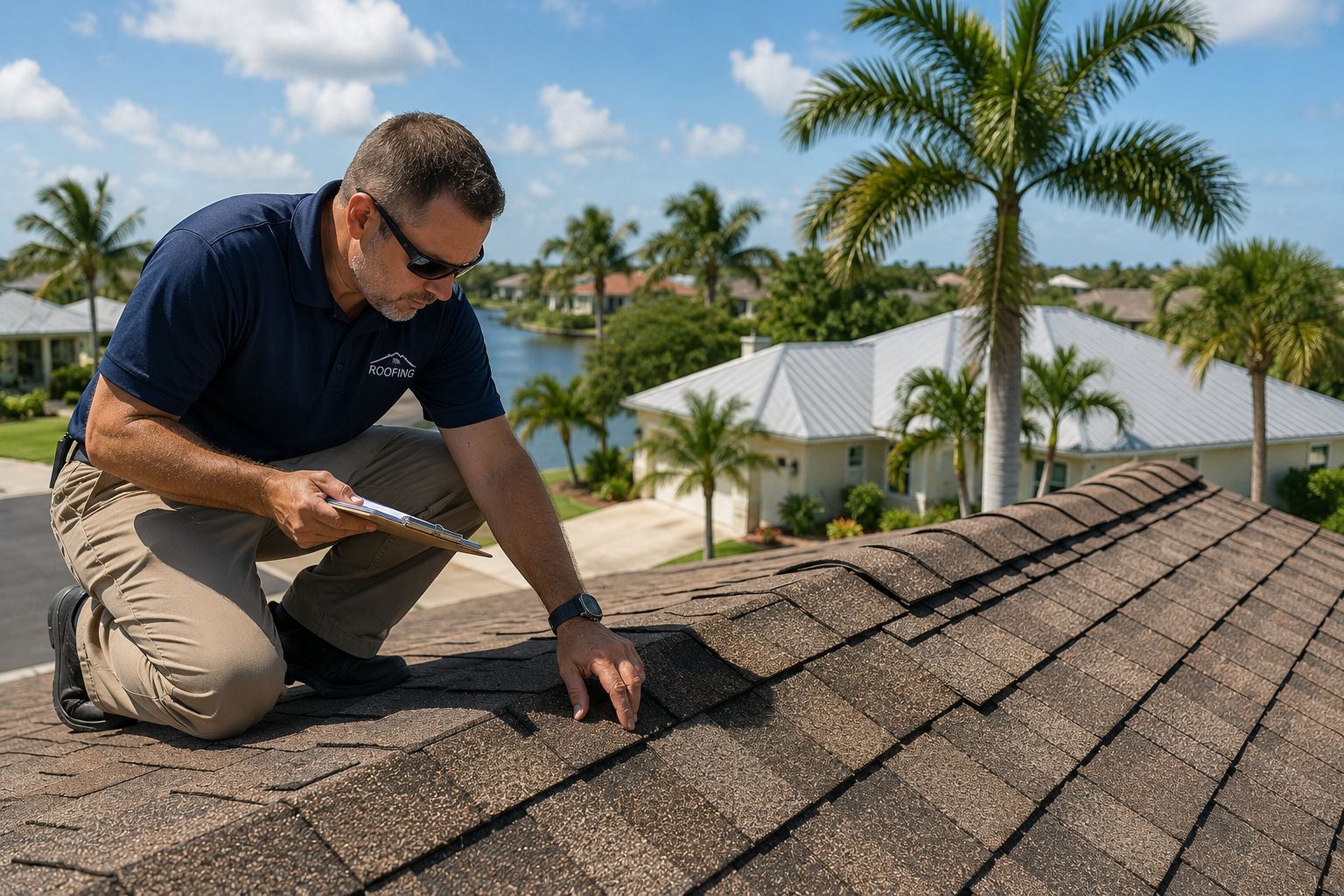
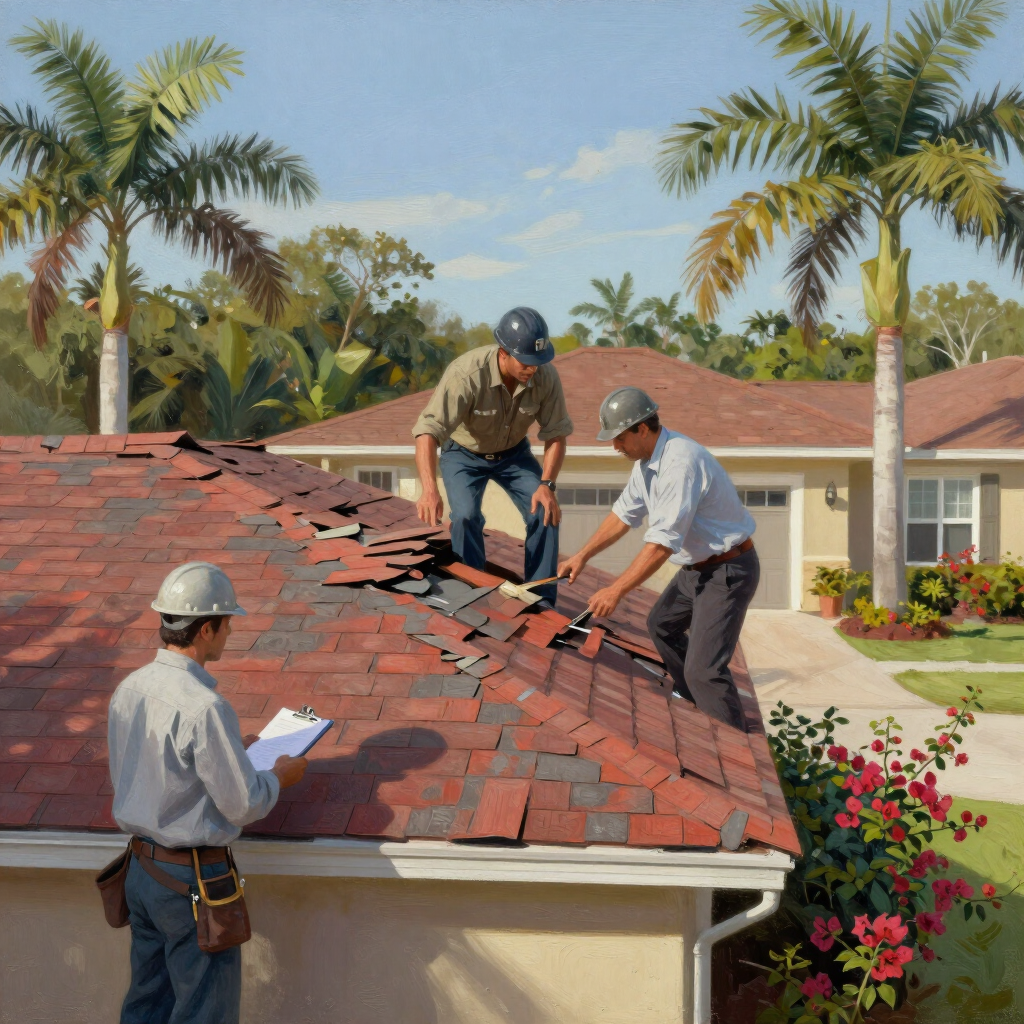
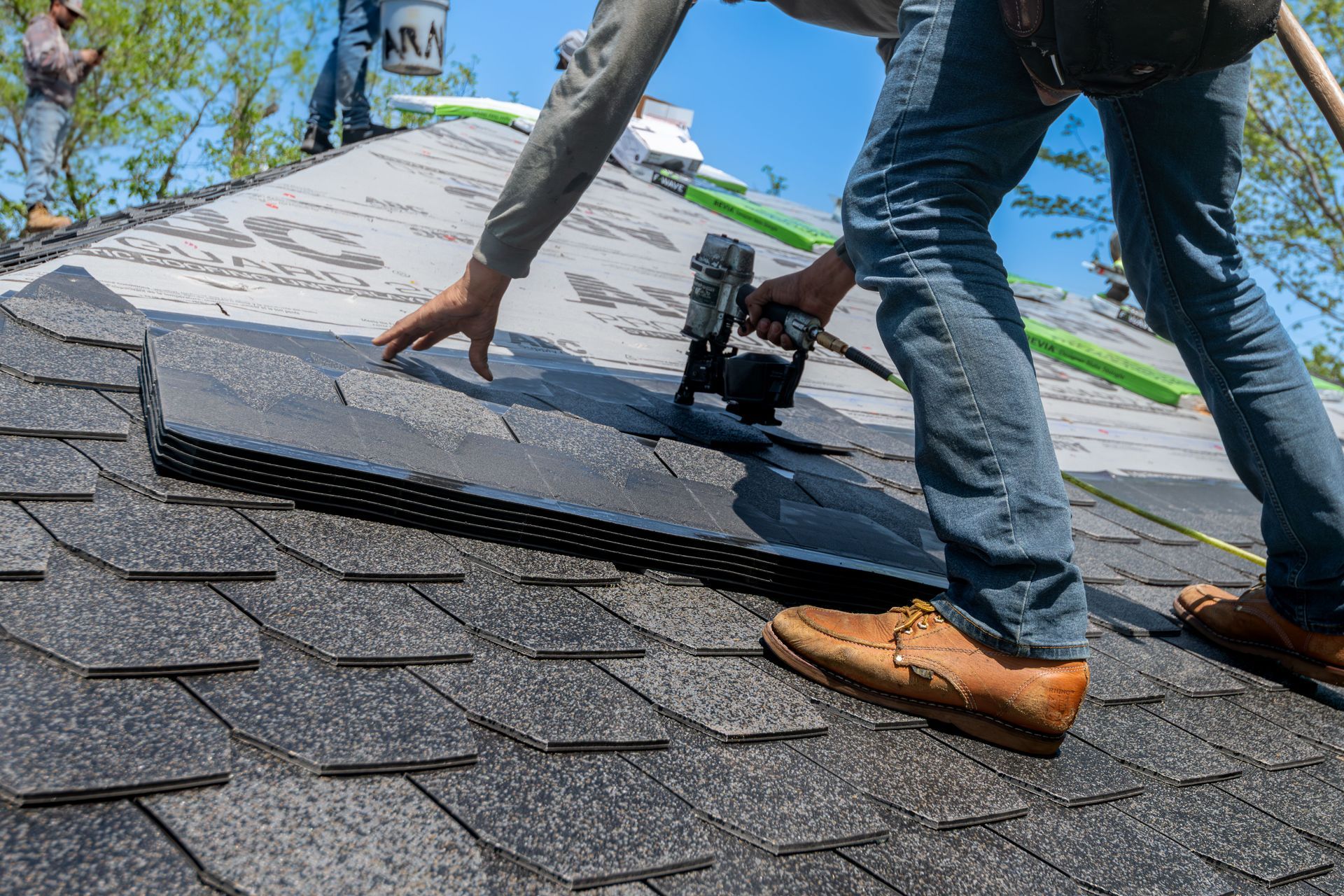
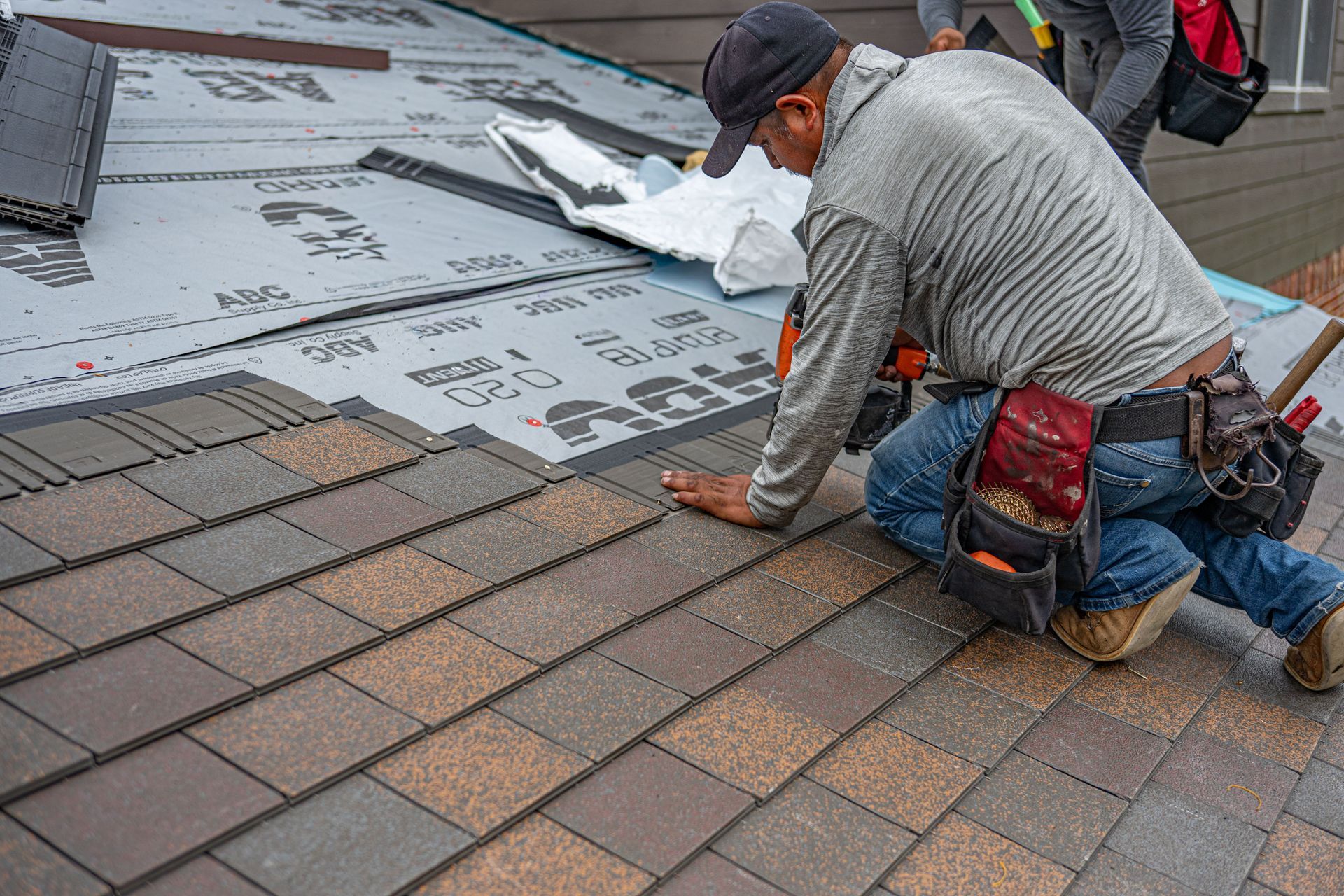
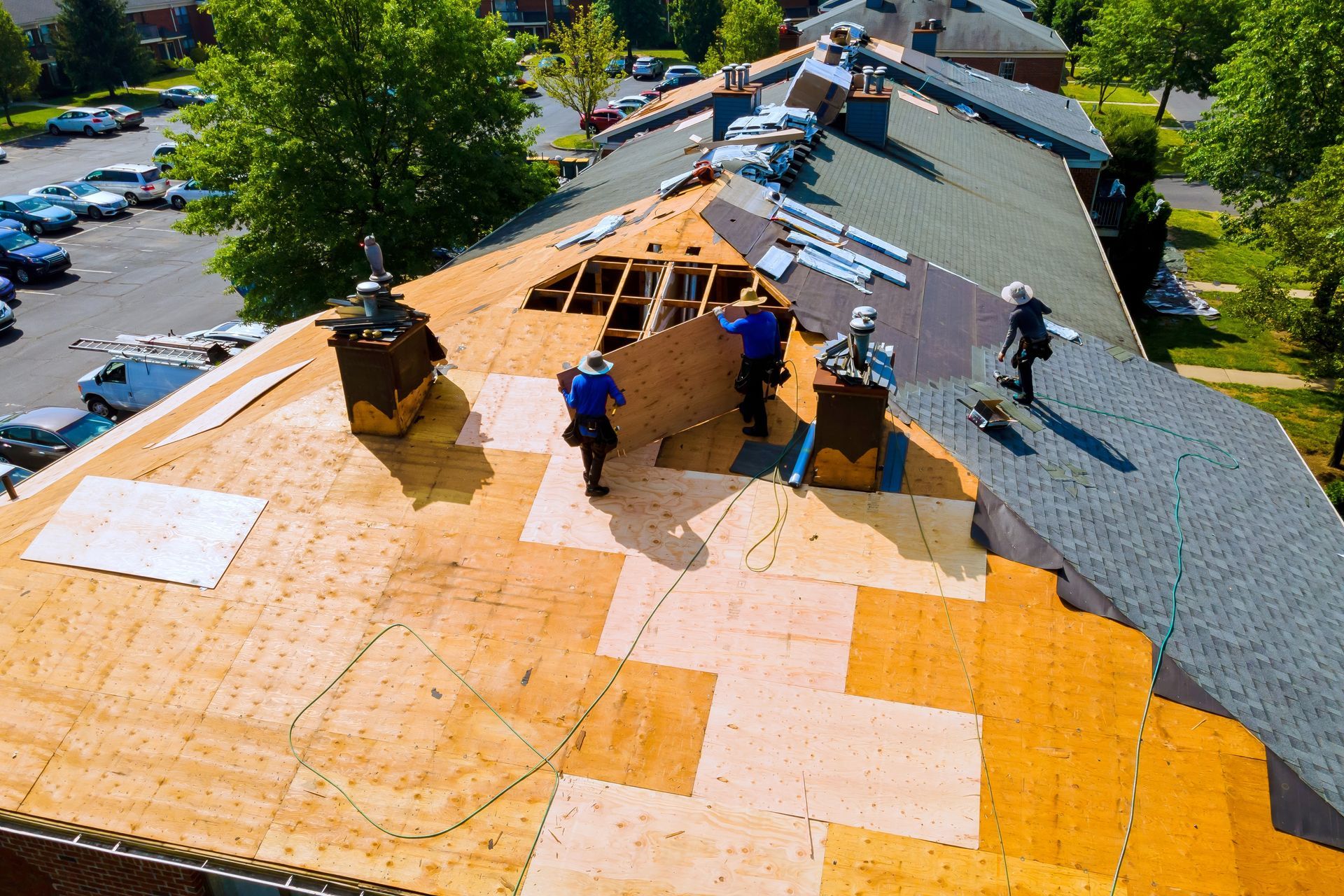
Roof leaks in Fernandina Beach can result from damaged shingles, deteriorated flashing, failed seals, clogged drainage areas, storm damage, or aging roofing materials. Because even a small leak can allow moisture into your attic, insulation, ceilings, and walls, homeowners should have suspected leaks inspected promptly rather than waiting for the next heavy rain.
For coastal Florida homes, early roof leak repair is particularly important. Fernandina Beach roofs routinely face intense sunlight, humidity, heavy rain, wind, and coastal conditions that can expose existing weaknesses in a roofing system.
If you have noticed a ceiling stain, dripping water, missing roofing materials, or another warning sign, Cover Roofing Company can inspect your roof, locate the likely source, and recommend an appropriate repair.
What Causes Roof Leaks in Fernandina Beach Homes?
A roof leak isn't always caused by an obvious hole in the roof. Water can enter through a relatively small defect and travel along decking, rafters, insulation, or other materials before appearing inside your home.
That means a ceiling stain in one room doesn't necessarily mean the leak is directly above it.
Some of the most common causes of roof leaks include:
- Damaged or missing shingles
- Deteriorated flashing
- Storm and wind damage
- Failed seals around roof penetrations
- Aging roofing materials
- Damaged roof valleys
- Drainage problems
- Debris-related damage
- Previous repairs that have deteriorated
Finding the actual source is essential. Simply covering an interior water stain or applying sealant to the first suspicious area may not correct the underlying roofing problem.
1. Missing or Damaged Shingles
Shingles form a protective layer that helps direct water away from the roof structure.
Over time, shingles can become:
- Cracked
- Lifted
- Loose
- Curled
- Missing
- Damaged by debris
Strong winds can also damage shingles or expose areas underneath them.
Once the roofing system is compromised, rainwater may reach the underlayment or roof deck.
If you can see missing or displaced shingles from the ground, schedule an inspection instead of waiting to see whether an interior leak develops.
2. Damaged or Deteriorated Flashing
Flashing is installed around roof transitions and penetrations to help direct water away from vulnerable joints.
Common flashing locations include:
- Chimneys
- Skylights
- Roof-to-wall intersections
- Valleys
- Plumbing vents
- Other roof penetrations
When flashing becomes loose, damaged, corroded, or improperly sealed, water may enter the roofing system.
Coastal conditions can make it especially important for Fernandina Beach homeowners to monitor metal roofing components for deterioration.
A roofer can inspect these areas and determine whether flashing should be repaired, resealed, or replaced.
3. Roof Vent and Pipe Boot Problems
Plumbing vent pipes and other roof penetrations require waterproof seals.
Over time, materials surrounding these penetrations can crack, deteriorate, separate, or otherwise lose their ability to keep water out.
Signs of a potential penetration-related leak may include water stains near bathrooms, kitchens, or attic areas where pipes extend through the roof.
Because the exact source can be difficult to identify from inside the home, professional inspection is often useful.
4. Storm and Wind Damage
Storms can create immediate damage or worsen existing roof weaknesses.
Potential storm-related problems include:
- Missing shingles
- Lifted roofing materials
- Damaged flashing
- Debris impact
- Punctures
- Damaged vents
- Fallen branches
- Compromised roof edges
Not all storm damage is visible from the ground.
If your property has experienced significant wind, flying debris, or other severe weather, a post-storm roof inspection can help identify problems before the next rainfall exposes them.
For roof inspections, repairs, and other roofing services in Fernandina Beach, visit Cover Roofing Company.
5. Roof Valley Problems
Roof valleys are areas where two roof slopes meet. Because they channel water toward the drainage system, they must be properly installed and maintained.
Damage, deterioration, or debris accumulation in a valley can interfere with water movement and create potential leak points.
Roof valleys can also be difficult for homeowners to evaluate safely.
If you suspect a valley problem, have it professionally inspected rather than walking on the roof.
6. Clogged Gutters and Drainage Problems
Gutters don't create every roof leak, but poor drainage can contribute to moisture problems around a roofing system.
Leaves, twigs, pine needles, and other debris may restrict water flow.
Homeowners should periodically check:
- Gutters
- Downspouts
- Roof drainage paths
- Areas where debris collects
Keeping gutters clear helps rainwater move away from the roof and structure as intended.
In a location that can experience periods of heavy rainfall, maintaining drainage is an important part of preventative roof care.
7. Aging Roofing Materials
Roofs don't last indefinitely.
As roofing materials age, they may become more vulnerable to:
- Cracking
- Granule loss
- Deterioration
- Seal failures
- Wind damage
- Water intrusion
An older roof that develops one isolated problem may still be repairable. However, recurring leaks across multiple areas can indicate more widespread deterioration.
This is where a professional evaluation becomes important.
A reputable roofer should consider the condition of the entire roofing system rather than automatically recommending either a repair or complete replacement.
What Are the Warning Signs of a Roof Leak?
Some roof leaks are obvious. Others develop gradually.
Watch for these warning signs:
- Water dripping from a ceiling
- Brown or yellow ceiling stains
- Peeling or bubbling paint
- Damp drywall
- Musty odors
- Wet attic insulation
- Moisture on roof decking
- Mold-like growth
- Missing shingles
- Damaged flashing
- Unexplained moisture after rain
A stain that appears dry shouldn't automatically be ignored. It may represent an intermittent leak that becomes active only during certain wind or rain conditions.
How Is a Roof Leak Found?
Professional leak detection typically begins with an inspection of both the visible roofing system and areas where moisture has appeared.
A roofer may examine:
- The location of interior water staining.
- Accessible attic areas.
- Roofing materials above and around the affected area.
- Flashing and roof penetrations.
- Valleys and transitions.
- Previous repairs.
- Signs of storm damage.
The goal is to trace the likely path of water rather than simply treating the visible interior symptom.
This distinction matters because water can travel before it becomes visible.
How Are Roof Leaks Repaired?
The repair method depends entirely on what caused the leak.
Damaged Shingles
Individual damaged roofing materials may be replaced when the surrounding roof remains in serviceable condition.
Flashing Problems
Loose or deteriorated flashing may need to be repaired or replaced and properly integrated with surrounding roofing materials.
Roof Penetrations
Damaged components or seals around vents and other penetrations may need repair or replacement.
Storm Damage
Repairs can involve replacing damaged roofing materials, flashing, underlayment, or other affected components.
Roof Deck Damage
If prolonged moisture has damaged the roof decking, affected sections may need to be replaced as part of a more extensive repair.
Because every leak is different, homeowners should avoid assuming that a generic patch is a permanent solution.
Can You Repair a Roof Leak Yourself?
Homeowners can take reasonable steps to control interior water while waiting for professional service, but climbing onto a wet or damaged roof is dangerous.
If water is entering the home and conditions inside are safe:
- Move furniture and valuables.
- Place a container beneath dripping water.
- Protect flooring where possible.
- Avoid electrical fixtures exposed to moisture.
- Stay away from sagging ceilings.
- Contact a roofing professional.
Do not climb onto the roof during rain, high winds, or immediately after severe weather.
A temporary DIY patch may also hide the symptoms without fixing the source, potentially allowing moisture to continue damaging materials underneath.
Should You Repair or Replace a Leaking Roof?
A roof leak does not automatically mean you need a new roof.
Roof Repair May Be Appropriate When:
- Damage is localized.
- The roofing system is otherwise in good condition.
- The problem has an identifiable repairable source.
- There isn't widespread deterioration.
Roof Replacement May Be Considered When:
- Leaks occur repeatedly in different areas.
- Roofing materials are extensively deteriorated.
- Storm damage is widespread.
- Significant underlying damage exists.
- The existing roofing system can no longer be effectively maintained through targeted repairs.
The best decision depends on an inspection of the actual roof.
Cover Roofing Company offers roof repair and roof replacement services for homeowners who need help determining the appropriate solution.
Why You Shouldn't Ignore a Small Roof Leak
Small leaks can be deceptive.
A relatively minor opening in the roofing system may allow moisture to affect areas homeowners cannot easily see.
Depending on the location and duration of the leak, water intrusion can contribute to damage involving:
- Insulation
- Drywall
- Ceiling finishes
- Wood components
- Interior paint
- Personal belongings
Persistent moisture can also create conditions favorable to mold growth.
The U.S. Environmental Protection Agency recommends addressing sources of excess moisture as part of controlling indoor mold.
How Can Fernandina Beach Homeowners Prevent Roof Leaks?
Not every roof leak can be prevented, especially when severe storms cause sudden damage. However, routine maintenance can help identify problems earlier.
Consider the following:
- Schedule periodic roof inspections.
- Have the roof evaluated after significant storms when warranted.
- Replace damaged roofing materials promptly.
- Keep gutters and downspouts clear.
- Trim hazardous tree branches.
- Monitor flashing and penetrations.
- Check your attic periodically for moisture.
- Address ceiling stains instead of painting over them.
- Keep records of roof repairs and maintenance.
Preventative maintenance is particularly valuable in coastal Northeast Florida, where roofs are routinely exposed to sun, moisture, wind, rain, and salt-laden air.
What Should You Do After Finding a Roof Leak?
If you discover a leak, use this simple sequence:
First: Protect people and belongings inside the home.
Second: Avoid electrical hazards and unstable ceiling areas.
Third: Document visible water damage when appropriate.
Fourth: Contact a professional roofer.
Fifth: Have the source diagnosed rather than relying solely on a temporary patch.
Sixth: Complete recommended repairs before additional rainfall can worsen the problem.
If you need roof leak repair near me in Fernandina Beach, Cover Roofing Company can inspect the affected area and discuss repair options.
Frequently Asked Questions About Roof Leak Repair
How quickly should I repair a leaking roof?
A suspected roof leak should be addressed promptly. Water intrusion can continue affecting roofing and interior materials even when the visible leak appears minor.
Can a small roof leak cause major damage?
It can. The amount of visible water inside the home doesn't necessarily show the full extent of moisture traveling through the roofing system or building materials.
Does a leaking roof always need to be replaced?
No. Many leaks can be repaired when the damage is localized and the rest of the roofing system remains in suitable condition. Widespread deterioration or recurring leaks may make replacement worth evaluating.
Why does my roof only leak during heavy rain?
Some defects allow water to enter only when rain is intense, wind-driven, or coming from a particular direction. Flashing, penetrations, valleys, and damaged roofing materials are among the areas that may need inspection.
Can a roofer find a leak if it isn't raining?
Often, yes. A professional can inspect roofing materials, flashing, penetrations, attic areas, and signs of previous water movement to identify likely sources.
Get Roof Leak Repair in Fernandina Beach, FL
A roof leak is easier to address when you act before water intrusion becomes a larger problem. Whether you've noticed a ceiling stain, missing shingles, damaged flashing, moisture in your attic, or an active leak, a professional inspection can help determine where the problem is coming from and what needs to be repaired.
Cover Roofing Company provides roof repair, roof replacement, new roof installation, roof restoration, and roof maintenance and inspection services for homeowners in Fernandina Beach and surrounding communities.
If you're searching for roof leak repair in Fernandina Beach, FL, don't wait for another heavy rain to test the damaged area.
Phone: (904) 206-0529
Email: Blake@coverroofingco.com
Call (904) 206-0529 or email Blake@coverroofingco.com today to schedule an inspection or request an estimate.
Serving Fernandina Beach, Amelia Island, and surrounding Northeast Florida communities.